

INTRODUCTION
Enlarged breasts in men are more common than many people realize. Although this condition can cause embarrassment and affect self-confidence, it is often treatable. In many cases, excess chest fullness is simply caused by weight gain and increased fat around the chest. However, some men develop enlargement because of an increase in the actual breast gland tissue. This medical condition is known as gynecomastia. If you are looking for gynecomastia treatment in Guntur, it is important to consult an experienced plastic surgeon for an accurate diagnosis and personalized treatment plan.
Gynecomastia can occur at different stages of life, from adolescence to older adulthood, and may have several underlying causes. The good news is that effective treatment options are available, ranging from lifestyle changes to surgery when necessary. This blog explains what gynecomastia is, why it develops, how it differs from chest fat, when medical evaluation is needed, and the treatment options that can help restore a more natural chest appearance.
WHAT IS GYNECOMASTIA?
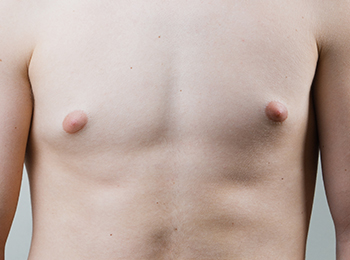
Gynecomastia is a medical condition in which the breast gland tissue in men becomes enlarged. It is important to understand that this is different from simply having excess fat on the chest.
Have questions or need a consultation?
+91 9866937397In people with gynecomastia, the enlargement occurs because the breast gland grows larger, often due to changes in hormone levels. The tissue usually feels firm or rubbery beneath the nipple. In contrast, chest fat caused by being overweight tends to feel soft and is made up mainly of fatty tissue.
Gynecomastia is not a disease itself but rather a medical condition that may result from natural hormonal changes, medications, or certain health problems. It is quite common, especially during puberty and in older men. While it is usually harmless, persistent enlargement should be evaluated by a qualified doctor.
WHY DO MEN DEVELOP ENLARGED BREASTS?
The most common reason for gynecomastia is an imbalance between two hormones: testosterone and estrogen. Testosterone is the primary male hormone, while estrogen is present in both men and women in smaller amounts. When estrogen becomes relatively higher than testosterone, breast gland tissue may enlarge.
During puberty, hormone levels naturally fluctuate. Many teenage boys develop temporary breast enlargement during this period. In most cases, the condition improves on its own within months to a couple of years as hormone levels stabilize.
As men grow older, hormone production gradually changes. Muscle mass often decreases while body fat increases, creating conditions that may contribute to breast enlargement.
Obesity is another important factor. Fat tissue can convert some hormones into estrogen, increasing its levels in the body. This can lead to enlarged breasts, although some men simply have excess chest fat rather than true gynecomastia.
Certain medications may also contribute to the condition. These include anabolic steroids, some anti-anxiety medicines, certain antidepressants, and a few medications used for heart disease. If breast enlargement begins after starting a new medicine, it is important to discuss it with a doctor before stopping the medication.
Some medical conditions can also affect hormone balance. Liver disease, kidney disease, thyroid disorders, and rare hormone-producing tumors may all contribute to the development of gynecomastia. Identifying the underlying cause is an important part of treatment.
COMMON SIGNS AND SYMPTOMS OF GYNECOMASTIA
The most noticeable symptom is enlargement of one or both breasts. The enlargement may develop gradually or appear over a shorter period.
Some men experience tenderness or mild pain around the nipple area. Others notice a firm or rubbery lump directly beneath the nipple, which differs from the soft feeling of fatty tissue.
The enlargement may affect only one side or both sides. In some cases, the breasts may not enlarge equally, leading to an uneven appearance. Emotional distress and reduced confidence are also common because the condition can affect body image.
GYNECOMASTIA VS CHEST FAT
Although both conditions make the chest appear larger, they have different causes and often require different treatment approaches.
| Gynecomastia | Chest Fat (Pseudogynecomastia) |
|---|---|
| Enlarged breast gland tissue | Excess fat accumulation |
| Firm or rubbery tissue beneath the nipple | Soft fatty tissue throughout the chest |
| Usually caused by hormonal imbalance | Mainly caused by excess body weight |
| Exercise alone may not remove gland tissue | Often improves with weight loss |
| May require medical treatment or surgery | Usually managed with diet and exercise |
Understanding the difference helps ensure the most appropriate treatment plan is chosen.
IS GYNECOMASTIA DANGEROUS?
In most cases, gynecomastia is not dangerous and does not increase the risk of serious illness. However, because it can occasionally be associated with hormonal disorders or certain medical conditions, persistent enlargement should not be ignored.
Medical evaluation becomes especially important if breast enlargement develops suddenly, is associated with severe pain, occurs only on one side with unusual changes, or is accompanied by nipple discharge or other concerning symptoms. A thorough assessment helps identify whether further investigations are needed.
HOW IS GYNECOMASTIA DIAGNOSED?
Diagnosis usually begins with a detailed discussion about symptoms, medical history, medications, and lifestyle. This helps identify possible causes and determine whether additional testing is necessary.
A careful physical examination allows the doctor to distinguish between enlarged breast gland tissue and excess chest fat.
Blood tests may be recommended if a hormonal imbalance or an underlying medical condition is suspected. In selected patients, imaging studies such as ultrasound or mammography may be performed to evaluate breast tissue more closely or rule out other conditions.
For individuals looking for a Plastic Surgeon in Guntur, choosing an experienced specialist ensures that the condition is properly evaluated before treatment decisions are made.
CAN GYNECOMASTIA GO AWAY ON ITS OWN?
The answer depends on the cause.
Puberty-related gynecomastia often improves naturally as hormone levels stabilize. Observation may be appropriate when symptoms are mild and have been present for only a short time.
If enlarged breasts are mainly caused by excess body fat, healthy weight loss and regular exercise may improve chest appearance.
However, persistent adult gynecomastia usually does not disappear on its own once the gland tissue has fully developed. In these situations, professional evaluation is recommended to determine the most suitable treatment approach.
TREATMENT OPTIONS FOR GYNECOMASTIA
Treatment depends on the underlying cause, the severity of the condition, and how much it affects the individual's quality of life.
Healthy lifestyle changes remain the foundation of treatment. Maintaining a balanced diet, exercising regularly, and achieving a healthy weight can improve overall body shape and reduce excess chest fat.
Medications may be considered in selected patients, particularly when hormone-related problems are identified early. However, medicines are not effective in every case, especially when gland tissue has been enlarged for a long period.
For men with persistent enlargement, Gynecomastia treatment in Guntur may include surgical correction after a complete medical evaluation. Surgery is generally considered when the condition has remained stable, causes physical discomfort, or significantly affects confidence despite lifestyle improvements.
The most commonly performed procedure removes enlarged gland tissue, and in some cases excess fat is also removed to improve chest contour. Depending on the patient's needs, liposuction, gland removal, or a combination of both techniques may be used.
Candidates for Male breast reduction surgery in Guntur are typically healthy adults whose condition has remained stable and who have realistic expectations about the results. Most patients can return to light daily activities within a few days, while complete recovery usually occurs over several weeks as swelling gradually improves.
WHEN SHOULD YOU SEE A PLASTIC SURGEON?
You should consider consulting a specialist if breast enlargement has lasted for more than a year, causes ongoing pain or tenderness, or continues despite regular exercise and weight loss.
Medical advice is also recommended when the condition causes embarrassment, affects confidence, or results in noticeable asymmetry between the two sides of the chest.
An experienced Gynecomastia Surgeon in Guntur can determine whether the enlargement is caused by gland tissue, excess fat, or another medical condition and recommend the most appropriate treatment.
TIPS TO MAINTAIN RESULTS AFTER TREATMENT
Maintaining long-term results requires healthy lifestyle habits. Keeping your weight within a healthy range reduces the chance of excess fat accumulating in the chest.
Regular physical activity helps maintain muscle tone and overall fitness. Avoiding anabolic steroids and using medications only under medical supervision may also reduce the risk of recurrence.
Following your surgeon's advice, attending scheduled follow-up visits, and maintaining good overall health contribute to lasting results after treatment.
WHY CHOOSE Dr. RAMA MANI?
Patients seeking treatment for gynecomastia benefit from individualized care, detailed evaluation, and evidence-based surgical planning. Dr. Rama Mani focuses on understanding each patient's concerns before recommending the most appropriate treatment approach.
Patients choose Dr. Rama Mani because of:
- Comprehensive evaluation to identify the underlying cause of breast enlargement.
- Personalized treatment plans based on individual needs and body structure.
- Modern surgical techniques designed to achieve natural-looking chest contours.
- Patient-centered care with clear communication throughout the treatment journey.
- Careful follow-up to support smooth recovery and long-term satisfaction.
Many patients searching for the Best Plastic Surgeon in Guntur value experience, compassionate care, and realistic guidance when considering treatment for gynecomastia.
CONCLUSION
Enlarged breasts in men can develop for several reasons, including hormonal changes, obesity, medications, aging, or certain medical conditions. Although many cases are harmless and some improve naturally, persistent enlargement should not be ignored.
A proper medical evaluation helps identify the underlying cause and determine whether observation, lifestyle changes, medication, or surgery is the most appropriate treatment. Early assessment also provides reassurance and prevents unnecessary worry.
If enlarged breasts are affecting your confidence, causing discomfort, or not improving over time, consult a qualified plastic surgeon for a comprehensive evaluation and personalized treatment plan.
Frequently Asked Questions (FAQs)
1. Is gynecomastia common in men?
Yes. It is quite common during puberty, middle age, and older adulthood.
2. Can exercise cure gynecomastia?
Exercise helps reduce chest fat but usually cannot remove enlarged breast gland tissue.
3. Is gynecomastia permanent?
Not always. Puberty-related cases often improve naturally, while long-standing adult gynecomastia may persist without treatment.
4. Is gynecomastia surgery safe?
When performed by a qualified plastic surgeon after proper evaluation, the procedure is generally considered safe. As with any surgery, there are potential risks that should be discussed during consultation.
5. How long does recovery take?
Most patients return to routine daily activities within several days, while complete healing and final results usually develop gradually over the following weeks.